
Startup Funding Planning: Secure Capital and Scale
Plan your startup funding strategy with proven tactics to secure capital, avoid common pitfalls, and scale faster than competitors.
Raising capital is one of the biggest hurdles early-stage founders face. Without a clear startup funding plan, you’ll waste months chasing the wrong investors or asking for too little money.
At Sager CPA, we’ve helped dozens of startups navigate this process. This guide walks you through calculating your actual funding needs, exploring your options, and building the pitch materials that get results.
Your burn rate must include every real expense. Most startup founders underestimate this number by 20 to 30 percent. Include salaries, software subscriptions, office space, legal fees, payroll taxes, and marketing spend.
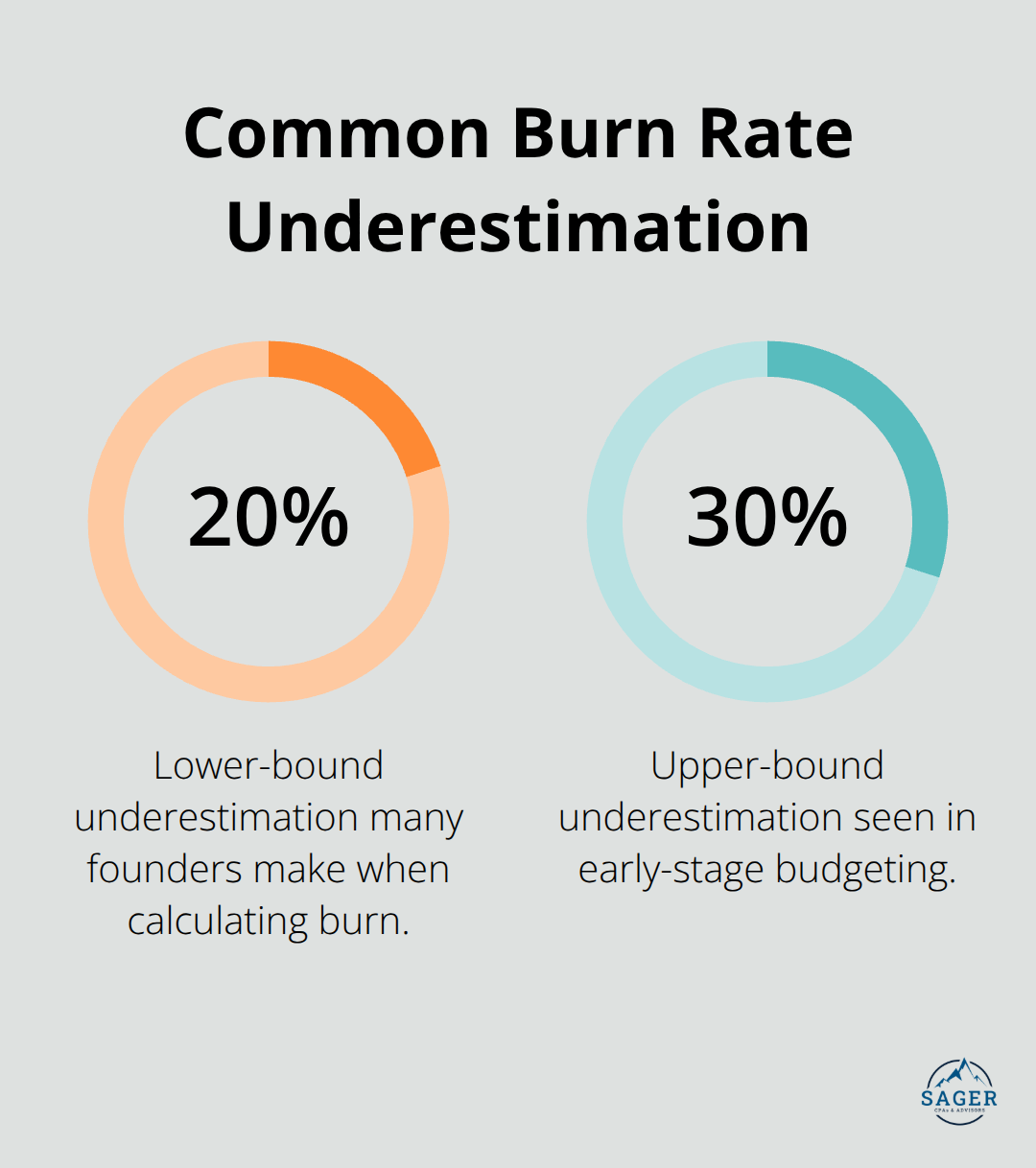
Do not estimate. Pull your actual bank statements from the last three months and calculate the average. If your burn rate fluctuates, use the highest month. This conservative approach prevents surprises.
Your runway tells you exactly when you need new capital. Runway is how many months your current cash reserves last given your monthly spending. To find your runway, divide your current cash by your monthly net burn rate. If you have $150,000 and spend $15,000 monthly, you have a 10-month runway. Many founders ignore this calculation and run out of cash before investors commit funds.
Once you know your burn rate, multiply it by the number of months until you reach your next growth milestone. This is your capital requirement for that phase. A SaaS startup might need 6 months to reach product-market fit. A hardware company might need 18 months. The timeline determines the funding ask.
Investors expect founders to break funding into phases tied to specific milestones. Seed stage funding typically covers 12 to 18 months until you prove product-market fit or reach meaningful revenue. Series A funding covers the next 18 to 24 months as you scale operations and acquire customers. Each phase should have a clear metric you will hit-reaching $10,000 monthly recurring revenue, acquiring your first 100 paying customers, or reducing customer acquisition cost to below a specific threshold.
This approach forces you to think strategically about what you actually need to accomplish before asking for more money. It also shows investors you understand your business model. Vague funding requests (like “we need $500,000 to scale”) fail because they lack specificity. Investors want to see that you’ve mapped out exactly how you’ll use their capital to hit measurable outcomes.
The next section covers where to find that capital and which funding sources match your startup’s stage and growth trajectory.
Bootstrapping forces discipline that most venture-backed startups never develop. You spend only what generates revenue, which means your early product decisions come from real customer demand rather than investor expectations. According to the Small Business Administration, about 82 percent of successful small businesses start with personal or family funding.
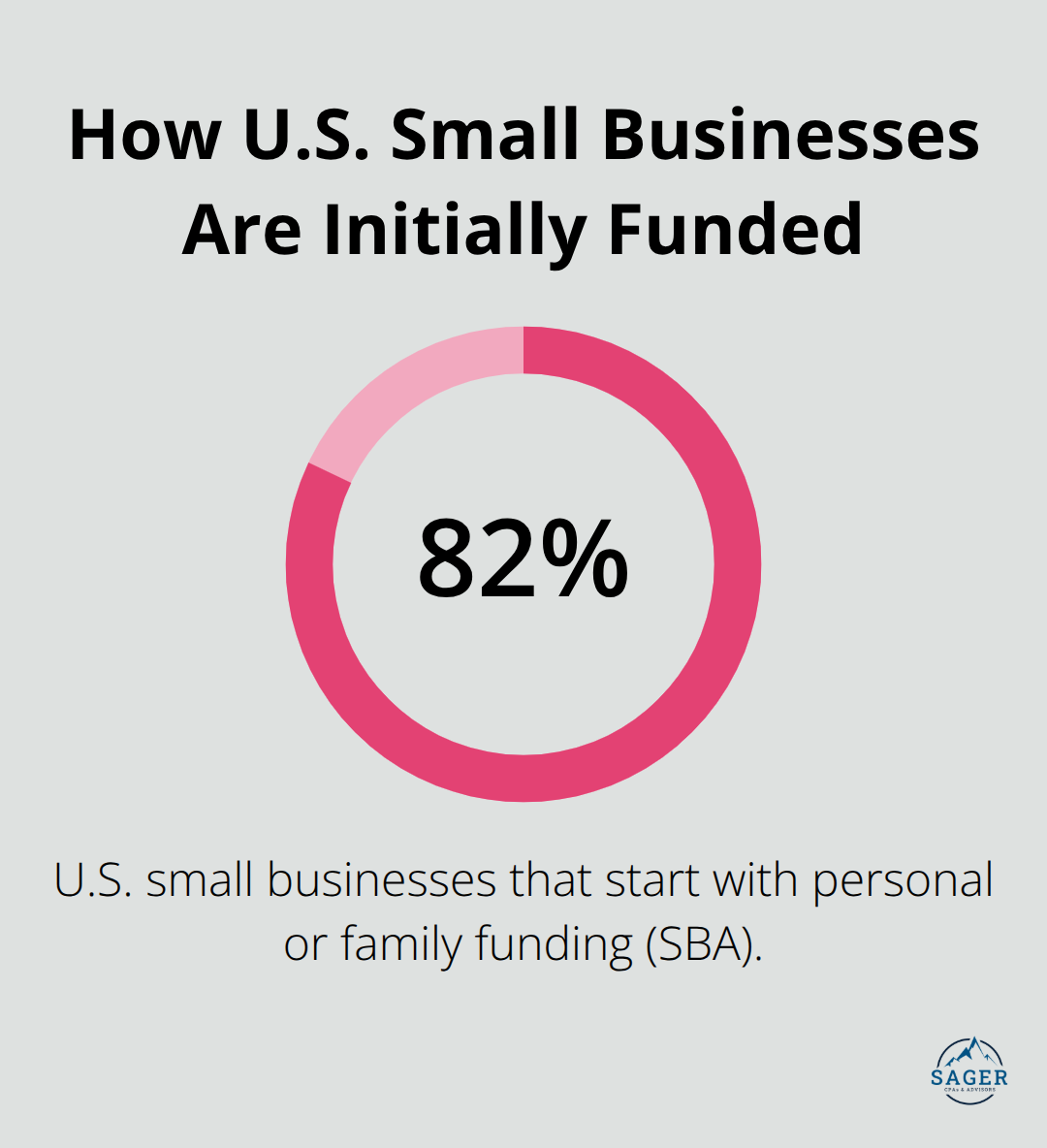
This approach works best if your startup has a long runway before needing external capital or if you can generate revenue quickly.
The downside is obvious: growth happens slower, and you personally absorb all financial risk. If you have savings and your market moves slowly, bootstrapping makes sense. If your competitors are well-funded and moving fast, bootstrapping alone will leave you behind.
Angel investors write smaller checks than venture capitalists but move faster and demand less control. The average angel investment ranges from $25,000 to $100,000, though some angels invest up to $500,000. They typically join when you have a working prototype and early traction, not just an idea.
Angels often bring industry experience and connections beyond their capital. They also tolerate longer timelines to profitability than venture firms do. This flexibility makes them ideal for founders who want growth without aggressive pressure.
Venture capital firms invest $500,000 to several million dollars but require board seats, detailed financial reporting, and a clear exit strategy within seven to ten years. VCs expect 30 to 40 percent annual growth rates and will push you to scale aggressively. This creates pressure that helps some founders but crushes others.
VC funding makes sense if your market is large, your competition is well-funded, and you can execute at high speed. If you prefer a slower path or operate in a niche market, venture capital will frustrate you.
Small business loans from banks require collateral and personal guarantees, making them difficult for early-stage startups with no assets. The Small Business Administration backs certain loans that reduce lender risk, but approval still takes two to four months and requires solid credit history.
Grants from government agencies or nonprofits never require repayment but are extremely competitive and often come with restrictions on how you use the money. Most startup founders waste time chasing grants when they should focus on investors or customers.
Each funding source fits a different startup profile and timeline. Your burn rate, market size, and growth ambitions determine which sources make sense for you. Once you’ve identified your target funding sources, you need materials that convince investors you’ll hit the milestones you promised. The next section covers how to build those materials.
Financial projections intimidate most founders because they feel like predicting the future. Investors don’t expect perfect predictions-they expect you to show you’ve thought through your business model with numbers. Pull your actual historical data if you have it. If you’re pre-revenue, use comparable companies in your industry as benchmarks.
A SaaS startup should model customer acquisition cost, lifetime value, and churn rate based on similar products that already exist. Don’t invent numbers. If you claim 60 percent month-over-month growth, investors will ask how you calculated it. They’ll also want to know what assumptions break your model.
What customer acquisition cost kills your unit economics? What churn rate makes the business unviable? Answer these questions before you pitch. Your financial projections should cover three years with monthly detail for year one and quarterly detail for years two and three.
Include a profit and loss statement, cash flow projection, and balance sheet. Most importantly, show when you’ll run out of cash if revenue doesn’t materialize. This forces you to think about your real runway and prevents you from asking for funding that won’t get you to profitability.
Your business plan document sits behind your pitch deck. It’s not a 40-page novel-write 8 to 12 pages maximum. Cover your market opportunity with real numbers, your competitive advantage stated as a fact not a feeling, your go-to-market strategy with specific channels you’ll use, your team’s relevant experience, and your financial needs tied to specific milestones.
Investors read pitch decks in 10 minutes. They spend time on business plans only if the deck interests them.
Your pitch deck should contain 10 to 15 slides covering the problem you solve, your solution, market size with citations, your business model, traction or proof of concept, your team, financial projections for three years, and your funding ask with how you’ll spend the money.
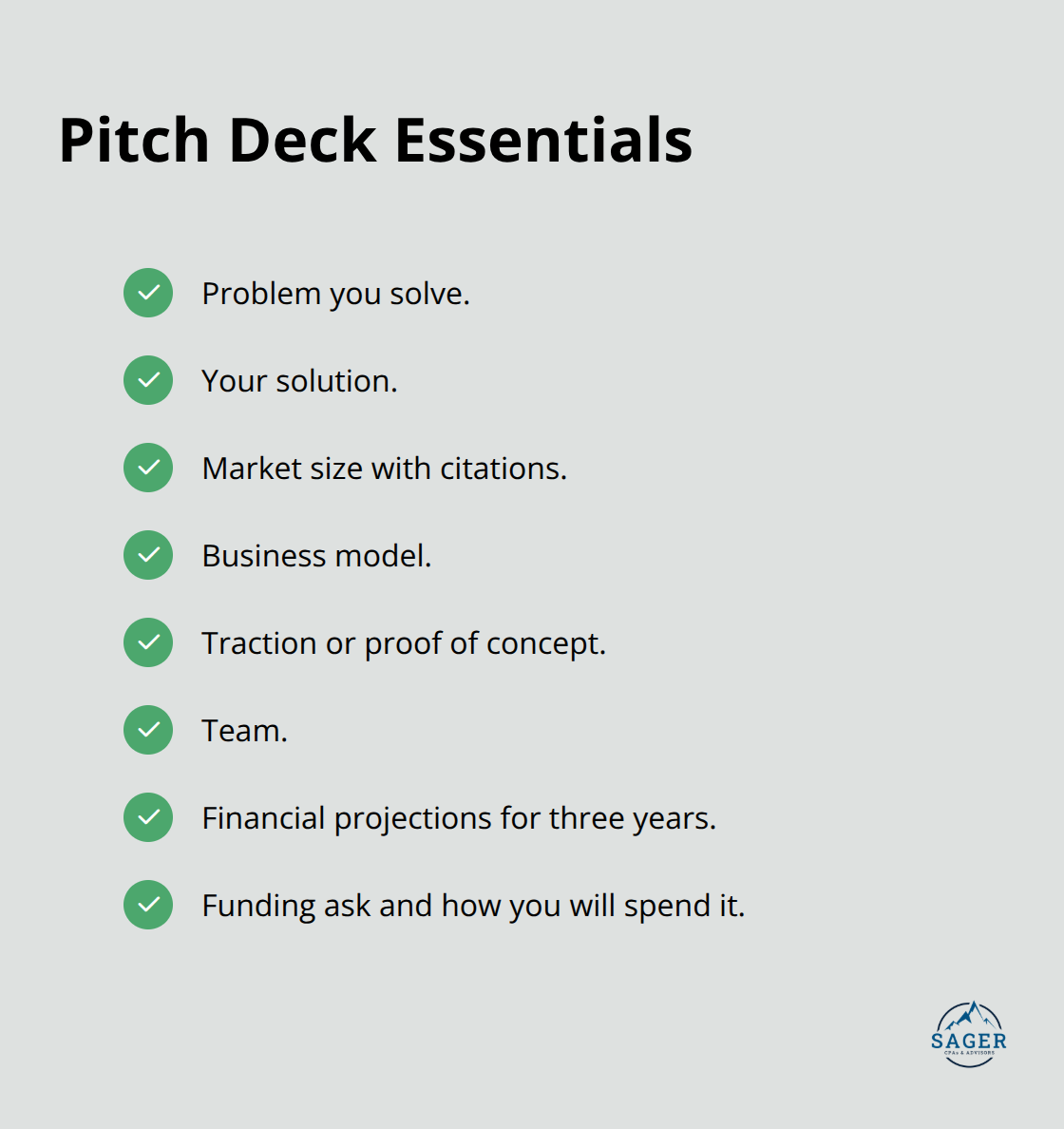
Use real data. If your market research comes from a Gartner report or IBISWorld, cite it. If you surveyed 50 potential customers and 40 said they’d buy, state that. Investors have seen thousands of pitch decks and spot made-up numbers immediately. Your credibility depends on showing you know your market and your numbers.
Practice delivering your pitch until you can do it in 15 minutes without notes. Then practice answering hard questions about your assumptions and what happens if you’re wrong.
Startup funding planning requires discipline, honesty, and preparation. You now understand how to calculate your actual burn rate, determine realistic capital requirements tied to specific milestones, and identify which funding sources match your stage and growth ambitions. The difference between founders who raise capital successfully and those who struggle comes down to one thing: they’ve done the math and built materials that prove they understand their business.
Your next move depends on where you are right now. If you haven’t calculated your runway, do that today-pull your bank statements and know exactly how many months you have before cash runs out. If you’re preparing to pitch, stress-test your financial projections and remove any numbers you can’t defend. If you’re choosing between funding sources, match your burn rate and market size to the investors most likely to write checks at your stage.
The materials you build now will be used repeatedly. Your business plan, financial projections, and pitch deck become the foundation for every conversation with investors, so spend time getting them right rather than rushing through them. If you need help building realistic financial projections, stress-testing your assumptions, or understanding the tax implications of different funding structures, schedule a consultation with Sager CPA to create a personalized financial strategy for your startup funding planning.




Phone: (208) 939-6029
Email: info@sager.cpa
Privacy Policy | Terms and Conditions | Powered by Cajabra
At Sager CPAs & Advisors, we understand that you want a partner and an advocate who will provide you with proactive solutions and ideas.
The problem is you may feel uncertain, overwhelmed, or disorganized about the future of your business or wealth accumulation.
We believe that even the most successful business owners can benefit from professional financial advice and guidance, and everyone deserves to understand their financial situation.
Understanding finances and running a successful business takes time, education, and sometimes the help of professionals. It’s okay not to know everything from the start.
This is why we are passionate about taking time with our clients year round to listen, work through solutions, and provide proactive guidance so that you feel heard, valued, and understood by a team of experts who are invested in your success.
Here’s how we do it:
Schedule a consultation today. And, in the meantime, download our free guide, “5 Conversations You Should Be Having With Your CPA” to understand how tax planning and business strategy both save and make you money.