
Comprehensive Business Advisory: A Holistic Path to Success
Discover how comprehensive business advisory services drive growth, streamline operations, and create lasting competitive advantages for your company.
Most business owners focus on day-to-day operations and miss the bigger picture. That’s where comprehensive business advisory makes the difference-it connects your financial health, operational efficiency, and strategic goals into one coherent plan.
At Sager CPA, we’ve seen firsthand how businesses that invest in proper advisory services outpace their competitors. This guide walks you through what advisory services actually involve and why your business needs them now.
Business advisory encompasses three interconnected areas that most owners handle separately, which is exactly why they struggle. Strategic planning shapes where your business goes, financial management tells you if you can actually get there, and operational efficiency determines how fast you arrive. These aren’t isolated functions-they work together. A company might have brilliant growth ambitions but lack the financial discipline to fund them, or possess strong cash flow while hemorrhaging money through wasteful processes. Advisory services connect these dots. Strategic planning without financial analysis leads to unrealistic goals. Financial management without operational improvements means you’re optimizing a broken system. Operational efficiency without strategic direction just makes you better at doing the wrong things.
Strategic planning in advisory goes far beyond annual planning documents that gather dust. It means translating vague aspirations into measurable milestones with specific timelines and resource requirements. A manufacturing company might state they want to grow 20% next year, but true strategic planning asks: in which markets, through which channels, with what capital, and what operational changes support that growth? According to data from the Small Business Administration, companies with formal strategic plans experience higher revenue growth than those without. Your advisor should push back on unrealistic timelines, identify resource gaps before they become crises, and establish quarterly checkpoints to track progress. This isn’t theoretical-it’s about knowing exactly what success looks like and what happens if you miss targets. Financial targets matter here too. Your growth plan needs attached numbers: if you expand into a new market, how much will customer acquisition cost, and what’s your payback period? These specifics separate real plans from wishful thinking.
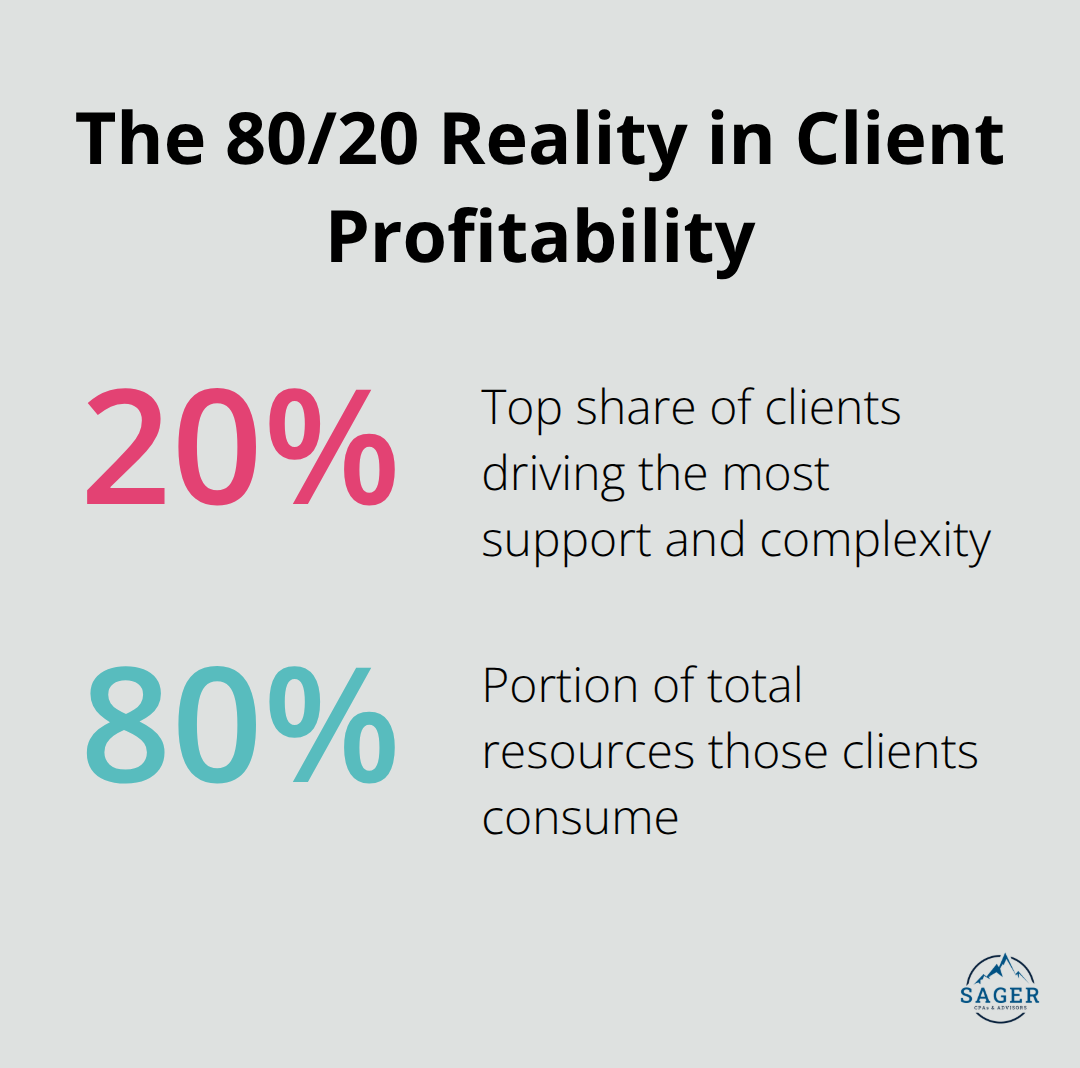
Financial management in advisory means understanding your numbers with precision, not just reviewing them after the fact. This covers cash flow forecasting, profitability analysis by product or service line, and identifying where money leaks exist. Many business owners discover through proper analysis that their most time-consuming clients are actually their least profitable ones. A service business might find that 20% of clients consume 80% of resources. This intelligence drives real decisions-which clients to focus on, which services to cut, where to raise prices.
Your advisor should provide monthly or quarterly financial reviews that highlight trends before they become problems. If cash flow tightens three months before you predicted, that’s when you adjust, not when you’re in crisis. This also includes tax planning that actually reduces what you owe, not just compliance filing. Strategic timing of income recognition, appropriate business structure, and legitimate deductions can significantly impact your bottom line.
Operational efficiency improvements stem from data, not guesswork. Your advisor identifies bottlenecks by examining your actual processes: where do orders get stuck, which steps take longer than industry benchmarks, where do errors happen most frequently. For a professional services firm, this might reveal that administrative tasks consume 35% of billable employees’ time when industry standards show 15%. That gap represents significant lost revenue potential. The improvement plan gets specific: automate these tasks, delegate that function, eliminate this approval step. The goal isn’t efficiency for its own sake-it’s freeing up resources to invest in growth, improving margins, or reducing stress on your team.
These three areas compound together. Better operations generate more reliable financial data. Better financial clarity informs smarter strategic decisions. Smarter strategy guides which operational improvements matter most. Understanding what advisory services actually cover prepares you to evaluate why your business needs these services right now.
Economic conditions have shifted dramatically. Interest rates remain elevated compared to the pandemic era, supply chain disruptions persist in certain sectors, and consumer spending patterns have become unpredictable. Economic volatility and small business concerns in 2024 create fundamental shifts in how businesses must operate.

Guesswork fails in this environment. Companies that rely on historical patterns and intuition get blindsided when market conditions shift. Your advisor monitors leading indicators specific to your industry and adjusts your strategy before problems materialize. If inflation accelerates in your supply chain, a proactive advisor identifies cost pressures months ahead and helps you adjust pricing or sourcing before margins compress. If customer demand softens, data-driven analysis reveals it through order patterns and sales pipeline changes, giving you time to cut costs rather than reacting in crisis mode. This isn’t about predicting the unpredictable-it’s about having systematic processes to detect change signals early and respond with precision.
Growth without proper planning causes business failure. Many owners conflate revenue growth with business health. A company might double sales but actually halve profits if it hasn’t optimized its cost structure or product mix.
Growth demands specialized knowledge about cash flow management, working capital requirements, and scalable processes. If you’re expanding at 30% annually, your operational systems built for 10% growth will collapse under the strain. Hiring accelerates, inventory needs increase, and accounts receivable stretch. Without advisory guidance, you might run out of cash despite appearing profitable on paper.
Every business faces operational risks, financial risks, market risks, and compliance risks. A manufacturing business risks equipment failure that disrupts production. A service business risks key employee departure. All businesses risk changing regulations or tax law shifts. Proper advisory services identify these risks systematically and build mitigation strategies before they materialize. This protects your bottom line by preventing costly surprises and helps your business survive unexpected disruptions.
The combination of market volatility, growth complexity, and risk exposure creates an environment where strategic advisory becomes essential. Understanding why your business needs these services now sets the stage for how we at Sager CPA approach advisory work differently.
Most advisory firms operate on a standardized model: they gather your financials, produce a report, and hand it back to you with generic recommendations. We reject that approach entirely. Your business faces specific challenges that demand specific solutions, not templated answers. We start by understanding your actual operations, your market position, and your financial constraints before recommending anything. This means our first conversation focuses on your situation, not our service menu. We ask about your biggest operational bottleneck, which customers generate the most stress, what keeps you awake at night, and where you suspect money disappears. These conversations reveal what matters versus what looks important on a spreadsheet.
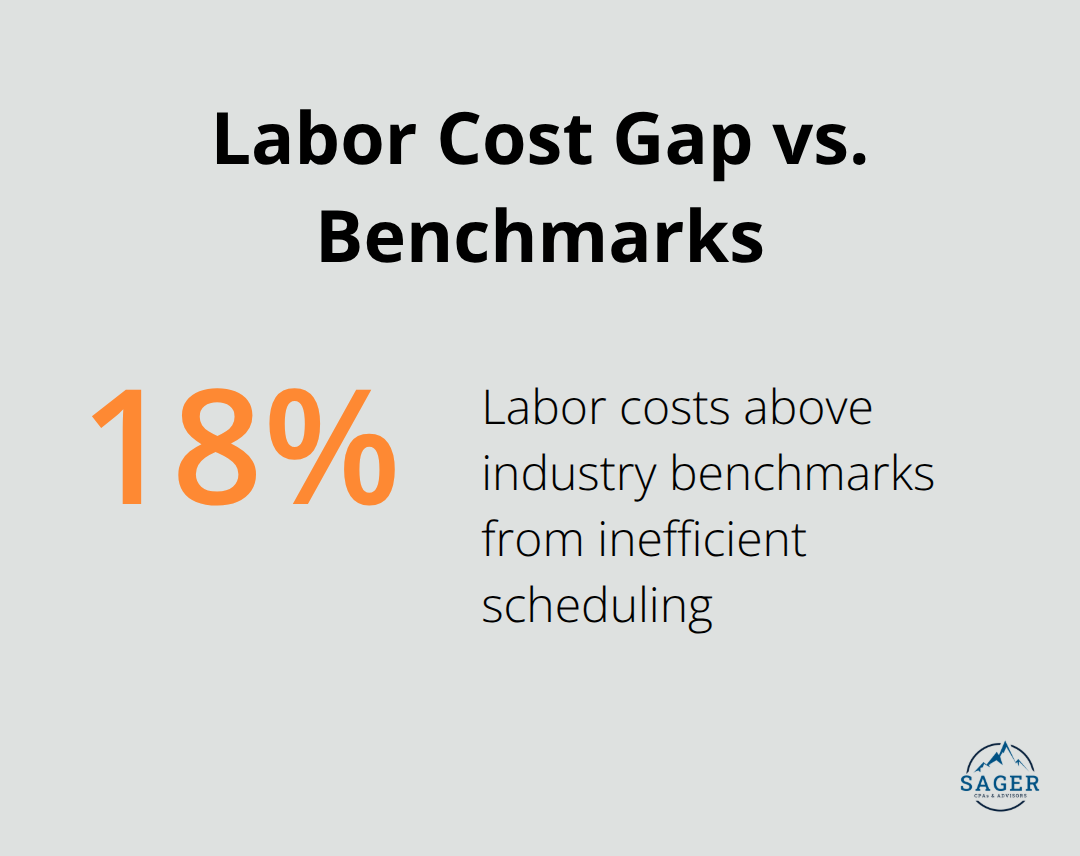
A manufacturing business might claim their biggest challenge is rising material costs, but after examining their operations, we discover they’re spending 18% more on labor than industry benchmarks due to inefficient scheduling. That’s the real problem to solve. Another business owner might believe they need to hire aggressively, but their financial data shows they’re actually reinvesting profits at an unsustainable rate.
We catch these disconnects because we examine the full picture, not isolated metrics.
Once we understand your real situation, our approach centers on regular, meaningful communication paired with concrete data analysis. We schedule quarterly strategy sessions where we review actual results against your targets, not annual meetings where surprises accumulate. Between sessions, we monitor leading indicators specific to your industry and your business model. If your gross margins typically run 42% and they drop to 38% in month two of a quarter, we investigate immediately rather than waiting for the quarterly review.
This allows us to identify whether the decline stems from mix shift, pricing pressure, waste, or temporary factors. We then present findings with specific recommendations: if mix shift is the problem, we show which product lines are dragging margins and suggest pricing adjustments or sales focus changes. If waste is the culprit, we identify which processes need tightening.
The recommendations we provide always connect to your financial targets and strategic goals. We never suggest operational changes just to optimize for optimization’s sake. Every change serves your larger business objectives and carries measurable financial impact. This data-driven approach means you make decisions based on what’s actually happening in your business, not what you assume is happening. Your financial clarity improves, and your strategic decisions gain precision because they rest on real numbers rather than intuition or industry assumptions.
Comprehensive business advisory works because it connects strategy, finances, and operations into one functioning system. Businesses that implement these services don’t just survive volatility-they capitalize on it. They identify which growth opportunities actually generate profit, not just revenue, and they catch financial problems months before they become crises.
The difference between advisory that produces results and advisory that doesn’t comes down to partnership. Generic recommendations from a consultant who doesn’t understand your specific market, your team, or your constraints rarely stick. Real advisory means someone who knows your business deeply, communicates regularly, and adjusts recommendations based on actual results-this builds stability because you execute a plan grounded in your financial reality and your market position.
We at Sager CPA approach advisory this way because we’ve seen what happens when businesses operate without it. Owners work harder but don’t get ahead, profits stagnate despite growing sales, and decisions get made on incomplete information. Schedule a consultation with Sager CPA to discuss your specific situation, your financial goals, and where you suspect inefficiencies exist.




Phone: (208) 939-6029
Email: info@sager.cpa
Privacy Policy | Terms and Conditions | Powered by Cajabra
At Sager CPAs & Advisors, we understand that you want a partner and an advocate who will provide you with proactive solutions and ideas.
The problem is you may feel uncertain, overwhelmed, or disorganized about the future of your business or wealth accumulation.
We believe that even the most successful business owners can benefit from professional financial advice and guidance, and everyone deserves to understand their financial situation.
Understanding finances and running a successful business takes time, education, and sometimes the help of professionals. It’s okay not to know everything from the start.
This is why we are passionate about taking time with our clients year round to listen, work through solutions, and provide proactive guidance so that you feel heard, valued, and understood by a team of experts who are invested in your success.
Here’s how we do it:
Schedule a consultation today. And, in the meantime, download our free guide, “5 Conversations You Should Be Having With Your CPA” to understand how tax planning and business strategy both save and make you money.