
How to Align Strategy and Business Operations for Success
Align your strategy and business operations to drive growth and eliminate inefficiencies with proven tactics.
Starting a tax preparation business can be a rewarding venture for those with a knack for numbers and a passion for helping others navigate complex financial matters. At Sager CPA, we’ve seen firsthand how this industry continues to grow and evolve.
If you’re wondering “How do I start a tax preparation business?” you’re in the right place. This guide will walk you through the essential steps to launch your own successful tax preparation service.
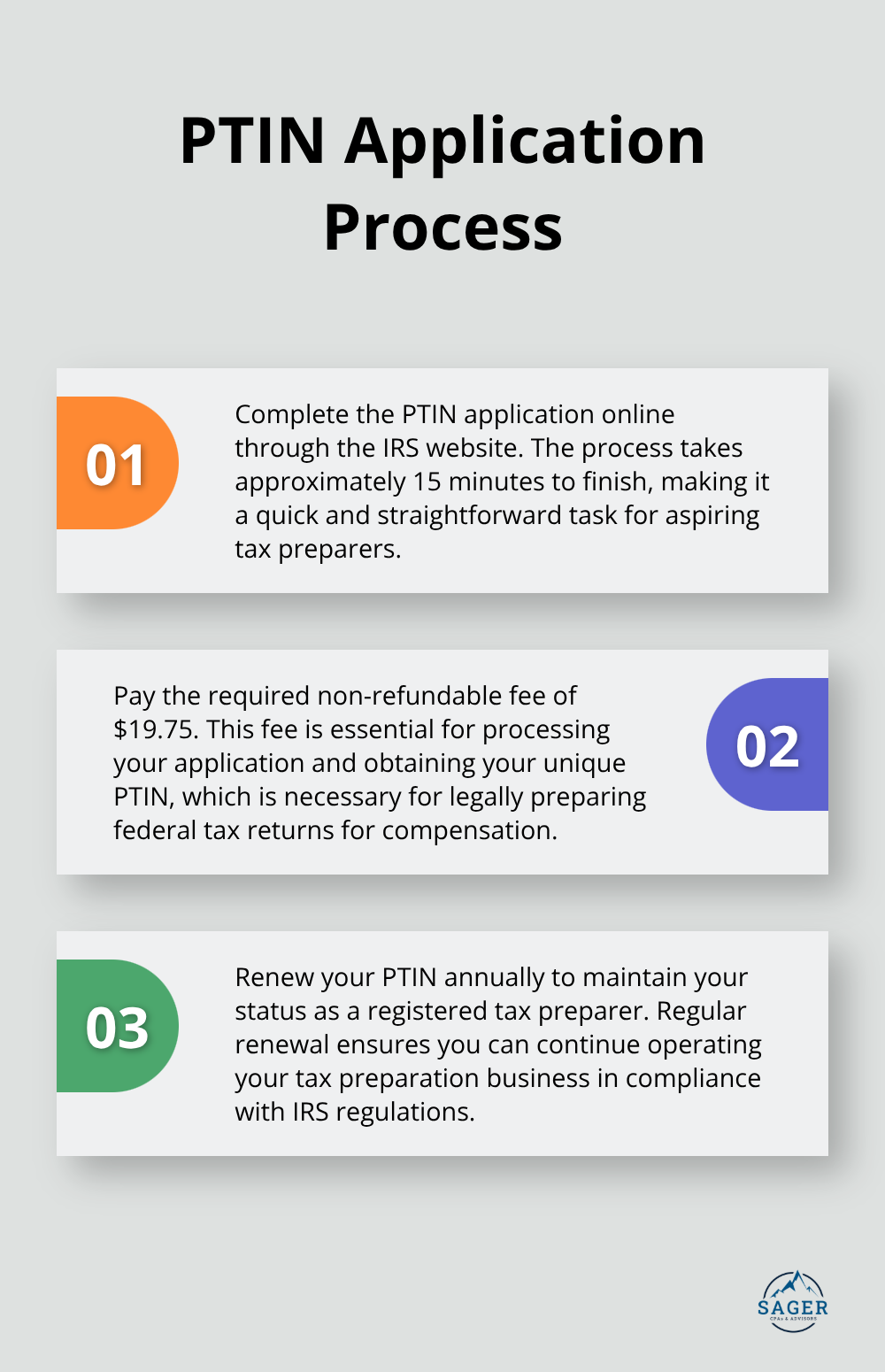
To start a tax preparation business, you must first acquire a Preparer Tax Identification Number (PTIN) from the IRS. This legal requirement applies to anyone who prepares federal tax returns for compensation. You can complete the application process online through the IRS website in about 15 minutes. The fee is $19.75 and is non-refundable.
While not mandatory, becoming an Enrolled Agent (EA) can significantly enhance your credibility. EAs receive a license from the IRS and have unlimited rights to represent taxpayers before the IRS. To achieve EA status, you must pass a comprehensive three-part exam and complete 72 hours of continuing education every three years.
A thorough understanding of tax laws and regulations is essential. Consider enrolling in tax preparation courses offered by professional organizations or community colleges. The National Association of Tax Professionals (NATP) provides excellent educational resources and certification programs, including interactive online training courses.
Practical experience proves invaluable in this field. Try to secure internships or entry-level positions at established tax preparation firms. This hands-on experience will provide insights into client interactions, software usage, and real-world tax scenarios.
Your business plan should outline your services, target market, pricing strategy, and financial projections. Research the local market to understand the demand for tax preparation services and identify potential niches you can serve.
Include startup costs, operating expenses, and revenue forecasts in your financial projections. Use industry benchmarks when creating your pricing structure and revenue projections.
Starting a tax preparation business involves more than just number crunching. It requires providing value to your clients and building long-term relationships. A client-centric approach (combined with solid credentials and a well-thought-out business plan) often leads to success in this industry.
As you prepare to set up your tax preparation business, the next step involves choosing the right business structure and securing the necessary equipment and software to streamline your operations.
Your business structure affects your taxes, liability, and operational flexibility. LLCs can be a good choice for medium- or higher-risk businesses, owners with significant personal assets they want protected, and owners who want flexibility in how their business is taxed.
If you start solo, a sole proprietorship might work initially. You can transition to an LLC or S Corporation as your business expands.
After selecting your structure, register your business with your state’s Secretary of State office. File the necessary paperwork and pay the required fees (which range from $50 to $500, depending on your state).
Next, obtain an Employer Identification Number (EIN) from the IRS. This free process takes minutes to complete online. You’ll need this number for tax filings and opening a business bank account.
Tax software can save you precious research time. It provides a quick comparison chart of various options for tax preparers.
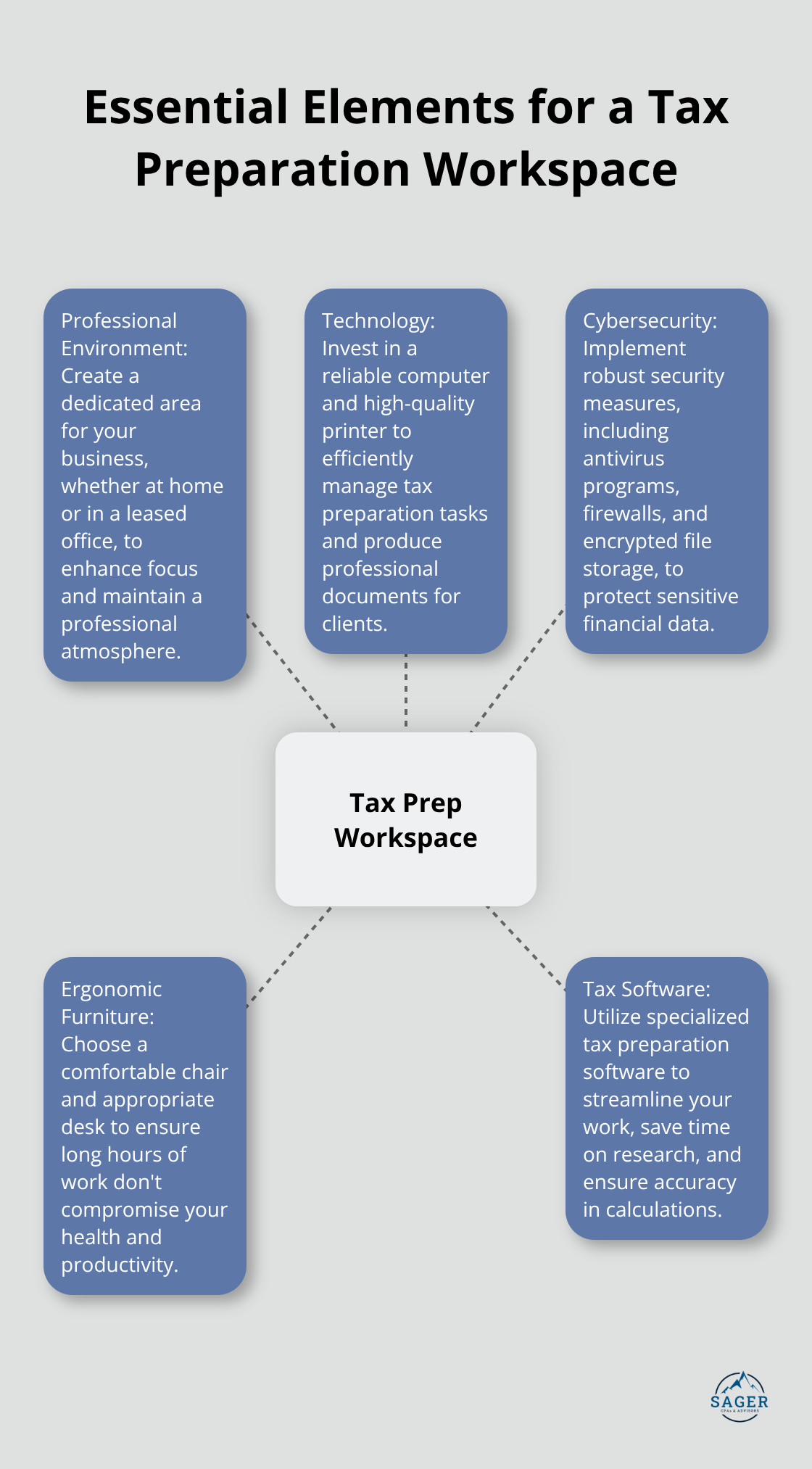
Cybersecurity is non-negotiable. Protect sensitive financial data with robust security measures. Include an antivirus program, firewall, and encrypted file storage in your setup. Budget at least $500 annually for these security essentials.
Create a professional environment, whether you work from home or lease an office. If you start from home, dedicate a specific area for your business. This approach enhances focus and may provide tax benefits.
For those who lease an office, expect to pay between $200 to $1,000 per month (depending on location and space requirements). Factor in additional costs for furniture, office supplies, and utilities.
Your workspace reflects your professionalism. Invest in a comfortable chair, a reliable computer, and a high-quality printer. These tools will serve you well as you build your client base.
As you establish your physical presence, the next step involves marketing your tax preparation services effectively. This crucial phase will help you attract clients and grow your business.
Define your target market to focus your marketing efforts. You might choose to specialize in tax preparation for individuals, small businesses, or specific industries. Tax preparers who compute taxes owed or overpaid, using adding machines or personal computers, and complete entries on forms, following tax form instructions and tax tables.
Select your target market and address their specific pain points in your messaging. For example, if you target small business owners, highlight how your services save time and reduce tax liability.
Create a professional website to communicate your services, expertise, and benefits clearly. Include client testimonials, a blog with tax tips, and easy-to-use contact forms.
Use social media platforms like LinkedIn to showcase your expertise. Share valuable tax insights, comment on industry news, and engage with potential clients. Social media can help you engage with a new generation of finance professionals.
Attend local business events, join professional associations, and participate in community activities to grow your tax preparation business. Focus on building relationships rather than making hard sales pitches.
Consider partnerships with complementary professionals (such as financial advisors, real estate agents, or business attorneys). These partnerships can lead to mutual referrals and expand your client base.
Create a structured referral program to incentivize existing clients to recommend your services. Offer a discount on next year’s tax preparation for each successful referral.
Provide satisfied clients with business cards or digital referral links to make it easy for them to refer you.
Optimize your online presence for local searches. Many potential clients search for “tax preparers near me” or “tax services in [your city]”. List your business on Google My Business and other local directories. Encourage satisfied clients to leave reviews on these platforms, as positive reviews can significantly impact your local search rankings.
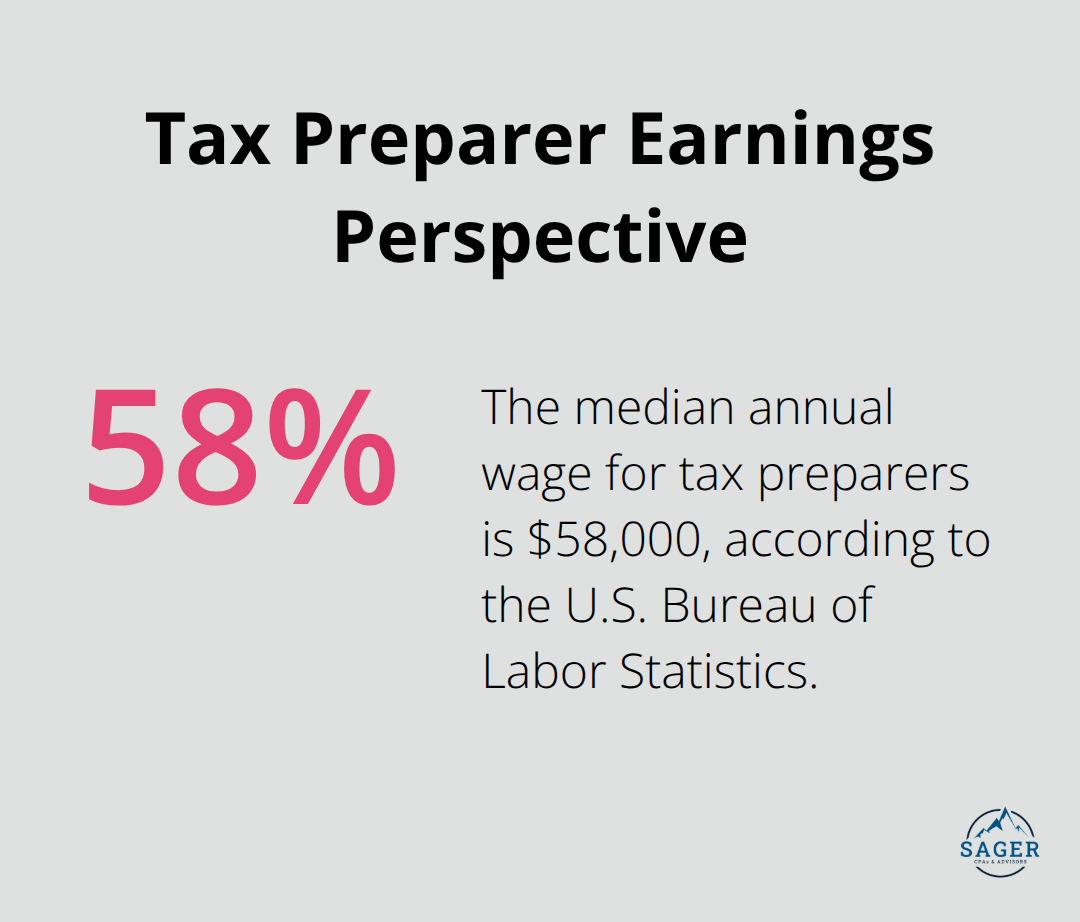
Starting a tax preparation business combines financial expertise with entrepreneurial spirit. The industry continues to grow, driven by complex tax laws and increasing demand for professional guidance. The median annual wage for tax preparers in the U.S. stands at $58,000 (according to the U.S. Bureau of Labor Statistics), which highlights the financial opportunities in this career path.
To start a tax preparation business, you must acquire your PTIN, develop your skills, and create a solid business plan. You should focus on building strong client relationships and delivering exceptional service. Each satisfied client can become a valuable source of referrals, helping your business grow organically.
At Sager CPA, we offer comprehensive tax planning and financial management services to help businesses and individuals thrive. Our team of experts can support your journey with tailored strategies and expert advice. Take the first step today and set yourself on the path to a rewarding career in tax preparation.




Phone: (208) 939-6029
Email: info@sager.cpa
Privacy Policy | Terms and Conditions | Powered by Cajabra
At Sager CPAs & Advisors, we understand that you want a partner and an advocate who will provide you with proactive solutions and ideas.
The problem is you may feel uncertain, overwhelmed, or disorganized about the future of your business or wealth accumulation.
We believe that even the most successful business owners can benefit from professional financial advice and guidance, and everyone deserves to understand their financial situation.
Understanding finances and running a successful business takes time, education, and sometimes the help of professionals. It’s okay not to know everything from the start.
This is why we are passionate about taking time with our clients year round to listen, work through solutions, and provide proactive guidance so that you feel heard, valued, and understood by a team of experts who are invested in your success.
Here’s how we do it:
Schedule a consultation today. And, in the meantime, download our free guide, “5 Conversations You Should Be Having With Your CPA” to understand how tax planning and business strategy both save and make you money.