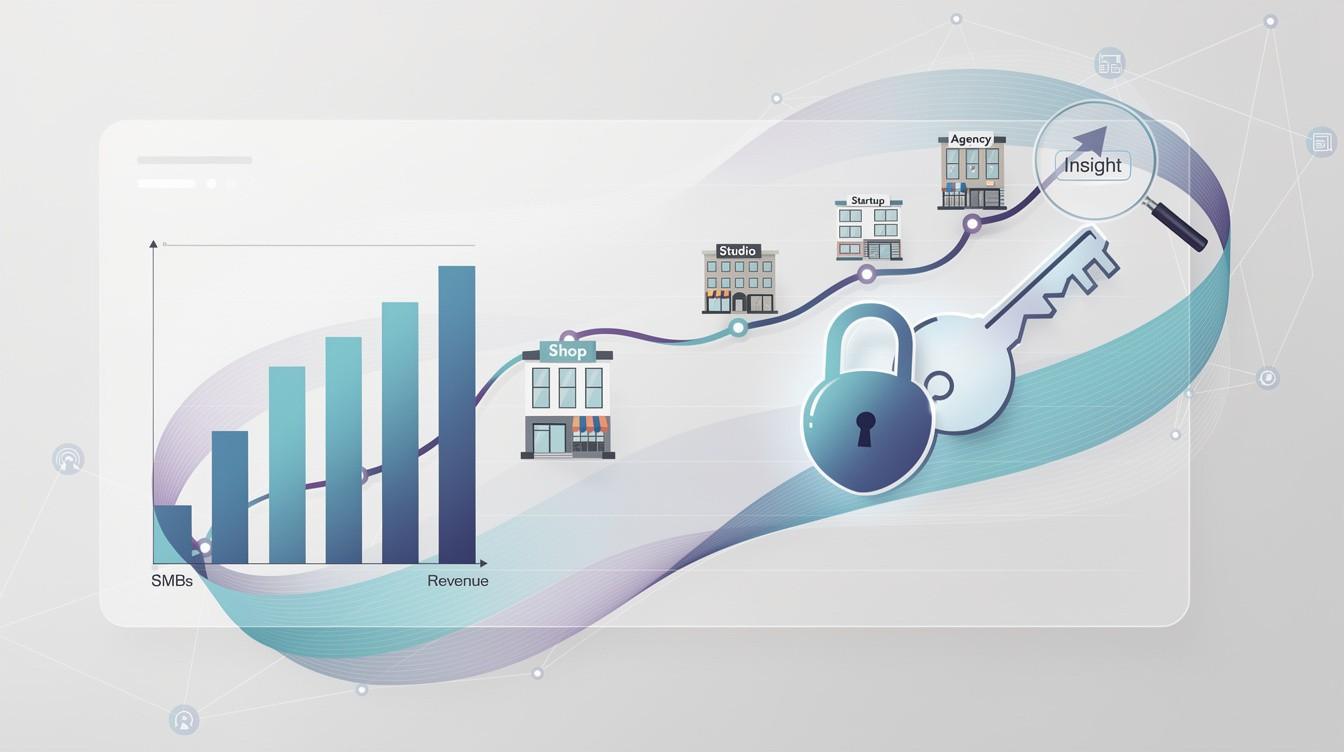
Unlocking Business Advisory Insights for SMB Growth
Leverage business advisory insights to accelerate SMB growth, improve decision-making, and build a stronger competitive advantage in your market.
Global businesses face mounting complexity when managing tax obligations across multiple jurisdictions. Double taxation, transfer pricing rules, and withholding requirements create significant financial burdens without proper planning.
We at Sager CPA see companies losing substantial revenue to preventable tax inefficiencies. Strategic cross border tax planning can reduce these costs while maintaining full compliance with international regulations.
Cross border tax compliance creates three major profit drains that most global businesses underestimate. Double taxation hits hardest when companies pay taxes on the same income in multiple countries without proper treaty utilization. The U.S. maintains tax treaties with over 60 countries, yet many businesses fail to claim available reductions in withholding rates that could drop from 30% to as low as 5% on dividends and royalties.
Transfer pricing regulations now demand extensive documentation before tax authorities request it. The OECD’s three-tier approach mandates master files, local files, and country-by-country reports for companies with consolidated group revenue of at least EUR 750 million. Missing deadlines triggers penalties that start at $10,000 per entity in the U.S., with some countries that impose fines up to 40% of the transaction value.

Companies must maintain arm’s length prices on all intercompany transactions, from management fees to intellectual property licenses. We recommend that businesses update transfer pricing studies annually rather than wait for audits, as outdated documentation provides zero protection against penalties.
International payments face withholding taxes that vary dramatically by jurisdiction and payment type. Germany withholds 26.375% on royalties to non-treaty countries but only 5% under most treaties. Service payments often escape withholding entirely if companies structure them properly through treaty networks.
The key lies in payment classification – businesses that restructure consulting fees as royalties can trigger unnecessary withholding, while proper service agreements maintain zero withholding rates. Smart businesses establish holding companies in treaty jurisdictions (like the Netherlands or Luxembourg) to minimize withholding on dividend flows, which reduces effective tax rates by 15-25% on repatriated profits.
These obstacles demand strategic solutions that go beyond basic compliance. The next section explores proven strategies that transform these tax burdens into competitive advantages through proper treaty optimization and structure planning.
Treaty optimization requires companies to build the right corporate structure before they make international payments. Luxembourg holding companies reduce withholding taxes on royalties from 30% to 0% when companies license intellectual property to German subsidiaries, while Dutch holding companies eliminate withholding on dividends that flow from most European countries. Companies that establish these structures after they start operations face restructuring costs and potential exit taxes that can reach 25% of transferred assets.
Advance Pricing Agreements contain the parties’ agreement on the best method for determining arm’s-length prices under IRC section 482 and eliminate audit risks on intercompany transactions. The IRS processed 89 APAs in 2023 according to Treasury data, with average completion times of 34 months for unilateral agreements. Bilateral APAs with treaty partners take longer but provide certainty in both jurisdictions. Companies with APAs avoid the $43,000 average cost of transfer pricing audits while they protect profit margins on high-value intercompany services.
The Foreign Tax Credit limitation under IRC Section 904 ensures that the total amount of credit taken shall not exceed the same proportion of the tax against which such credit is taken, but proper income sourcing dramatically improves utilization rates. Companies achieve 95%+ credit utilization when they time income recognition and manage expense allocation between domestic and foreign sources. The 2017 Tax Cuts and Jobs Act created separate baskets for GILTI income (which allows companies to blend high-tax and low-tax foreign income to optimize credit usage). Excess credits carry forward 10 years, which makes timing strategies valuable for companies with fluctuating foreign tax rates.
Companies that implement these strategies before they expand internationally save 20-30% more than those who restructure later. Early structure planning allows businesses to choose optimal jurisdictions and avoid costly reorganizations that trigger immediate tax consequences.
These strategic approaches require careful implementation and ongoing compliance management to maintain their effectiveness across multiple jurisdictions.
Effective cross border tax management starts with centralized documentation systems that track all international transactions in real time. Companies need electronic systems that capture transfer pricing documentation, treaty claims, and foreign tax credit calculations automatically rather than scramble during audit season. The IRS Form 8865 requires detailed reports of foreign partnership interests within 90 days of acquisition, and companies that miss this deadline face $10,000 penalties that compound monthly. Smart businesses implement cloud-based tax platforms that generate required forms automatically when transaction thresholds are met, which eliminates human error that causes 60% of international tax penalties according to Treasury Inspector General data.
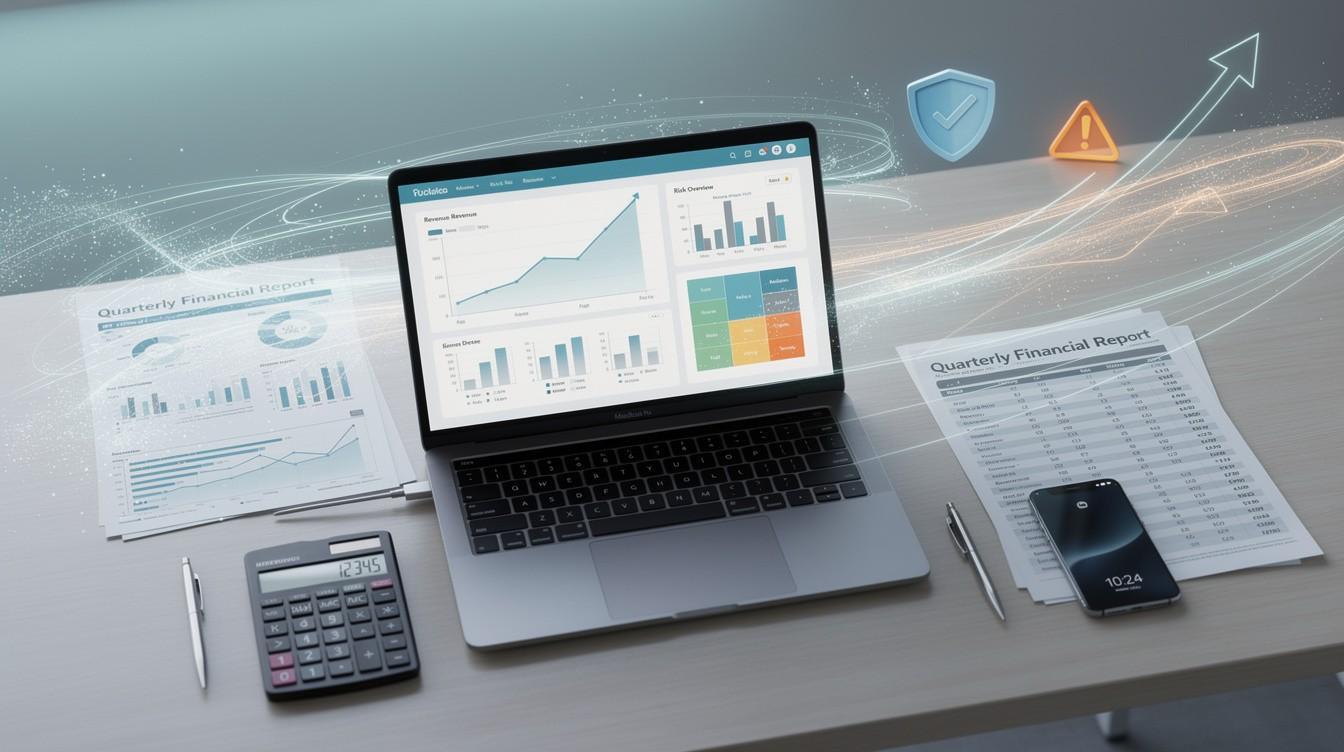
Tax positions require monthly validation rather than annual reviews because international regulations change constantly. The OECD updated transfer pricing rules in 2024, and companies that missed these changes faced audit adjustments that averaged $2.3 million per entity. Monthly reviews should cover treaty rate changes, new withholding requirements, and transfer pricing benchmarks that shift with market conditions. We recommend quarterly stress tests on foreign tax credit positions because currency fluctuations can push companies over Section 904 limitations unexpectedly. Companies that conduct these reviews monthly identify problems early and adjust strategies before they become costly compliance failures.
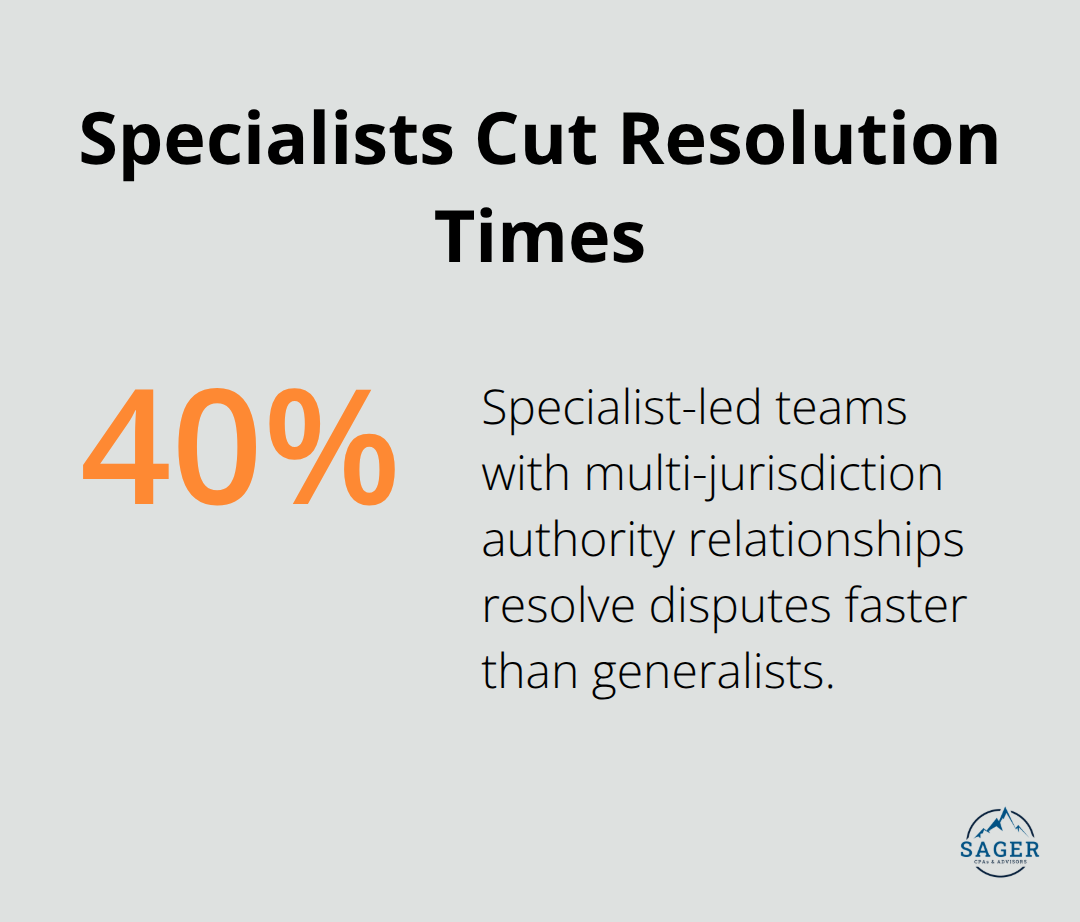
International tax requires specialists who understand both U.S. regulations and local country requirements simultaneously. Generic tax advisors cost companies significant amounts in missed opportunities and compliance failures according to research. Specialists who maintain relationships with tax authorities in multiple jurisdictions resolve disputes 40% faster and achieve better outcomes through advance procedures.
The right professional team should include transfer pricing economists, treaty specialists, and local country advisors who coordinate strategies across jurisdictions rather than work in isolation.
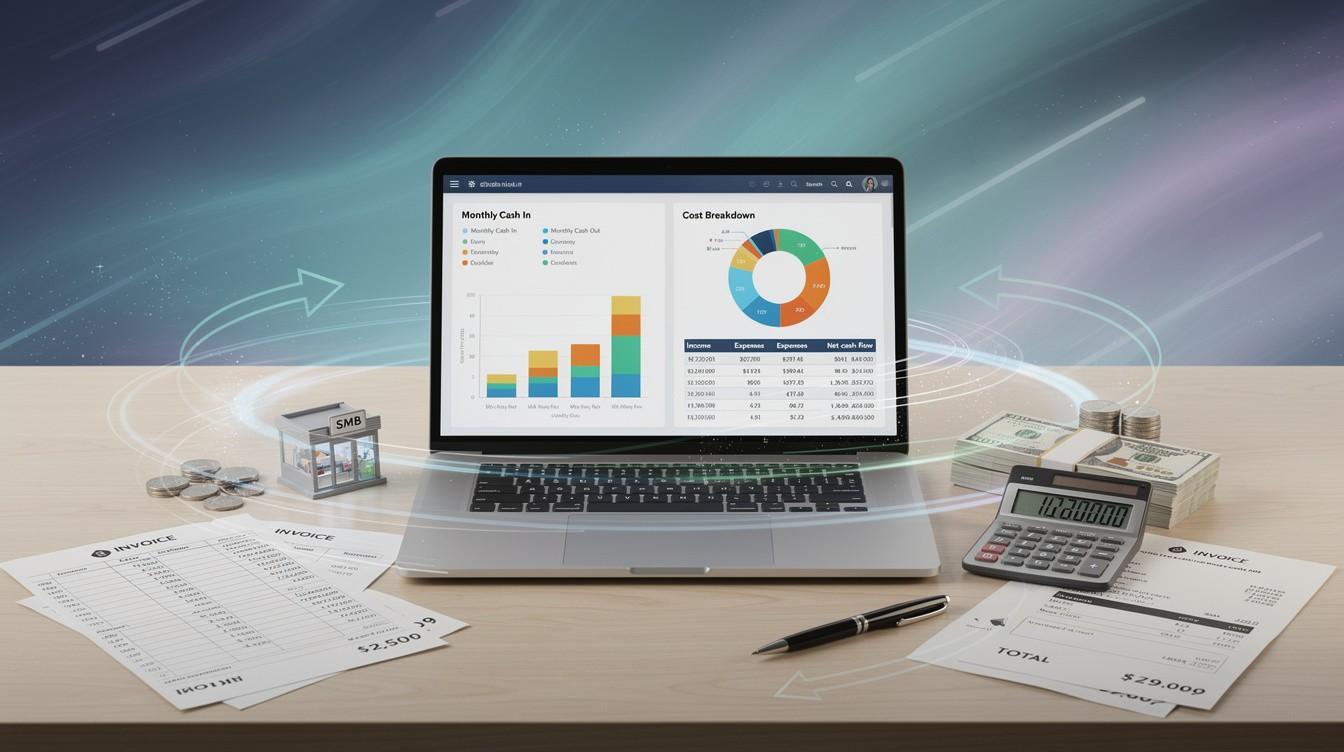
Modern tax technology platforms automate compliance workflows and reduce manual errors that trigger audits. Companies that integrate their ERP systems with international tax software report 75% fewer compliance mistakes and save an average of 200 hours per quarter on documentation preparation.

These platforms track treaty elections automatically, calculate foreign tax credits in real time, and generate country-by-country reports that meet OECD standards. The initial investment in technology pays for itself within 18 months through reduced professional fees and penalty avoidance, helping business owners achieve better financial management outcomes.
Cross border tax planning delivers measurable financial benefits when companies implement the right strategies early. Businesses that optimize treaty networks, maintain proper transfer pricing documentation, and structure foreign tax credits effectively reduce their global tax burden by 20-30% compared to reactive approaches. The monthly review systems and automated compliance platforms we discussed prevent costly penalties while maintaining audit readiness across multiple jurisdictions.
Professional guidance becomes indispensable when companies navigate complex international regulations that change frequently. The OECD’s evolving BEPS framework and country-specific withholding requirements demand expertise that goes beyond basic tax knowledge (specialists who understand both U.S. and foreign tax systems resolve disputes faster and identify opportunities that generic advisors miss). Companies that work with these specialists achieve better outcomes than those who rely on general practitioners.
We at Sager CPA help businesses implement comprehensive cross border tax planning strategies that reduce tax liabilities while maintaining full compliance. Our team creates customized action plans based on each company’s specific international operations and tax position. Start with a complete review of your current international tax position, then establish the documentation systems and professional relationships needed for success.


Phone: (208) 939-6029
Email: info@sager.cpa
Privacy Policy | Terms and Conditions | Powered by Cajabra
At Sager CPAs & Advisors, we understand that you want a partner and an advocate who will provide you with proactive solutions and ideas.
The problem is you may feel uncertain, overwhelmed, or disorganized about the future of your business or wealth accumulation.
We believe that even the most successful business owners can benefit from professional financial advice and guidance, and everyone deserves to understand their financial situation.
Understanding finances and running a successful business takes time, education, and sometimes the help of professionals. It’s okay not to know everything from the start.
This is why we are passionate about taking time with our clients year round to listen, work through solutions, and provide proactive guidance so that you feel heard, valued, and understood by a team of experts who are invested in your success.
Here’s how we do it:
Schedule a consultation today. And, in the meantime, download our free guide, “5 Conversations You Should Be Having With Your CPA” to understand how tax planning and business strategy both save and make you money.